
What to Expect When You Go No Contact with a Narcissist
Home » What to Expect When You Go No Contact with a Narcissist
Content
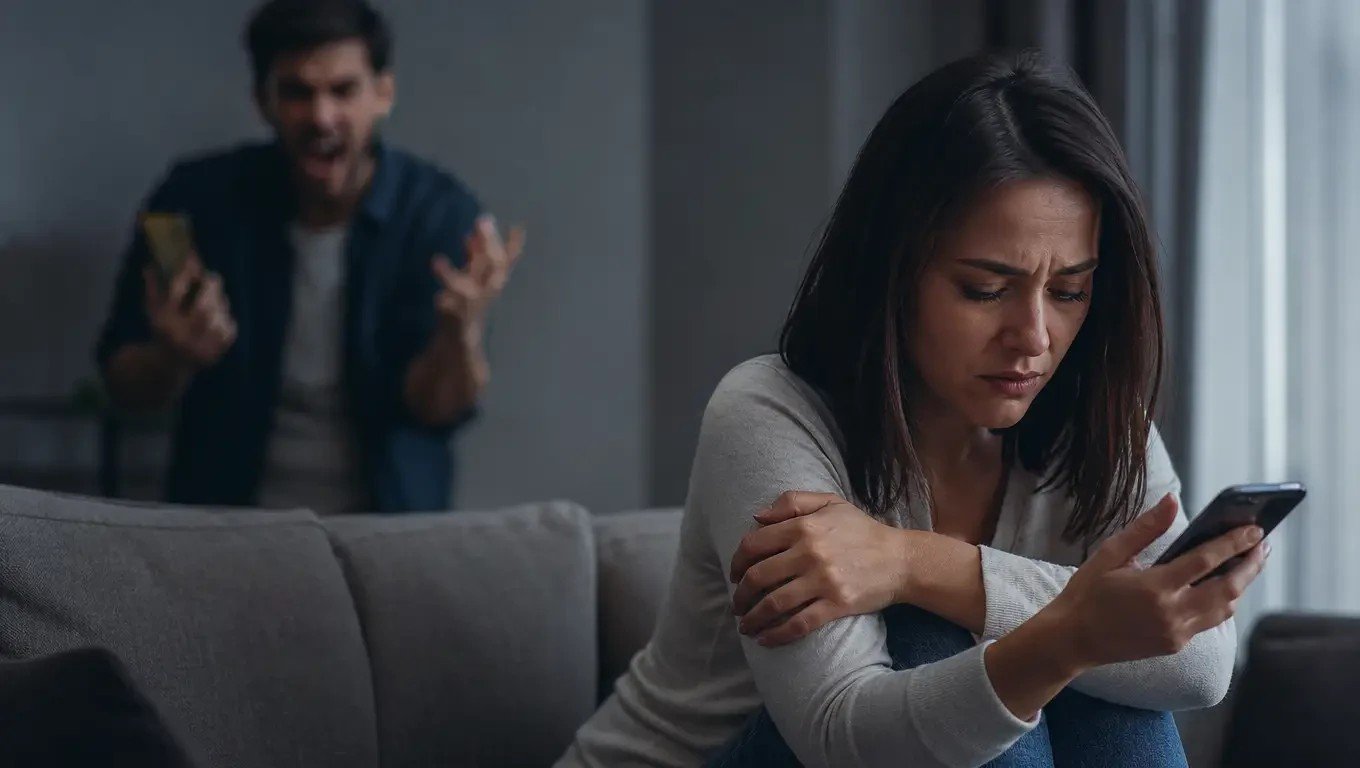
Choosing distance from a harmful relationship can bring relief, grief, confusion, and fear all at once. If you are wondering about a narcissist no contact reaction, it may help to think less about finding the perfect label and more about recognizing patterns that often follow when someone loses access to your attention, time, or emotional energy. No contact usually means ending calls, texts, social media contact, and indirect communication when possible. For some people, it is the clearest way to protect peace and begin rebuilding stability.
The hardest part is that going no contact does not always create instant calm. Sometimes the other person becomes unusually charming. Sometimes they become angry, pushy, or unpredictable. Sometimes they use other people, old memories, guilt, or emergencies to pull you back in. None of that automatically tells you who they are at their core, but it can tell you something important about the dynamic: your boundary may be challenging a pattern that used to benefit them.
If you are preparing for no contact or trying to hold it, the goal is not to decode every motive. The goal is to stay grounded, protect your safety, and make thoughtful choices that support your well-being.
Why no contact can trigger a strong reaction
When you stop responding, you interrupt a familiar cycle. In many unhealthy relationships, one person comes to expect access, reassurance, attention, or control. A firm boundary changes that arrangement. Because of that, a strong reaction may follow. It might look emotional, dramatic, apologetic, cold, or even strangely calm at first.
People often expect one obvious response, but reactions can shift quickly. Someone may beg for another chance in the morning and send cruel messages by evening. They may promise change, then accuse you of being unfair. They may act as if they never cared, then suddenly try to reappear. The changeability itself can be destabilizing.
This is one reason no contact feels so difficult: it asks you to trust the pattern, not the mood of the moment. A kind message after months of disrespect can stir hope. An angry outburst can stir fear. A sad apology can stir guilt. Yet a temporary emotion does not always reflect lasting change.
If children, shared housing, finances, or work ties are involved, full no contact may not be realistic. In that case, limited contact with clear boundaries may be the safer and more practical option. Keep communication brief, focused, and documented when needed. If you are concerned about your safety, seek trusted local domestic abuse support or emergency services right away.
Common patterns people notice after going no contact
No two situations are exactly alike, but many people notice a few familiar patterns after creating distance. Seeing these patterns can help you respond with more clarity and less self-doubt.
Attempts to pull you back in
This can include sudden apologies, affectionate messages, gifts, promises, or emotional pleas. The contact may sound sincere, and sometimes it may even reflect real distress. Still, the practical question remains the same: does re-engaging support your safety and peace, or restart the cycle?
Anger, blame, or guilt
Some people react to boundaries by accusing you of being cruel, selfish, dramatic, or unforgiving. They may rewrite the story so that your decision becomes the main problem. That can be especially painful if you are already grieving and second-guessing yourself.
Indirect contact through other people
Friends, relatives, coworkers, or online accounts may be used to pass messages, ask questions, or pressure you to respond. Sometimes this is subtle. Sometimes it is obvious. Either way, it can weaken your resolve if you have not prepared for it.
Testing your limits
A person may contact you through a new number, show up unexpectedly, or create reasons that seem urgent. They may act as though your boundary does not really apply. This is why simple, consistent follow-through matters more than long explanations.
Silence that still affects you
Not every narcissist no contact reaction is loud. Sometimes the silence itself is difficult because it leaves you filling in the blanks, wondering what they think, or waiting for the next disruption. Emotional distance can still feel intense even when there is no outward drama.
How to stay grounded when the reaction gets confusing
The emotional aftermath of no contact can make you doubt what you know. You may miss the good moments, minimize what happened, or feel responsible for the other person's pain. Grounding yourself is less about becoming cold and more about becoming steady.
Start by reducing access points. Block numbers if that is safe to do. Adjust social media settings. Ask trusted people not to relay messages. Save evidence of unwanted contact if needed, but avoid rereading it over and over. Repeated exposure can keep you emotionally hooked.
It also helps to write down the reasons you chose distance in the first place. Keep the list factual and private. On hard days, read that list instead of replaying the most flattering memories. When emotions rise, facts can anchor you.
Choose a small support circle of people who respect your boundary. You do not need a panel of opinions. You need calm, trustworthy support. If faith is important to you, prayer, spiritual counsel, and quiet reflection may also help you stay centered without pushing you back into harm.
Most of all, give yourself permission to grieve. Missing someone does not always mean the relationship was healthy. Loving someone does not require continued access to your life. Both things can be true at once: you can feel sorrow, and you can still keep the boundary.
When safety needs to come first
Sometimes a reaction moves beyond upsetting and starts to feel threatening. If someone is showing up uninvited, monitoring you, escalating contact, damaging property, threatening self-harm to force a response, or making you fear for your immediate safety, treat that seriously. Your next step does not need to be confrontation. In many cases, direct confrontation can increase risk.
Instead, focus on a practical safety plan. Tell a trusted person what is happening. Change routines if needed. Review privacy settings and location sharing. Keep copies of messages, voicemails, or other contact attempts in a safe place. If you live with the person or are planning to leave, reach out to a trusted local domestic abuse organization or specialist support service for personalized guidance. If there is immediate danger, contact emergency services.
If children are involved, be especially careful about what you communicate and where. Keep exchanges neutral and centered on logistics if contact is required. Seek local professional support for safety planning rather than trying to manage a high-conflict situation alone.
Protecting yourself is not overreacting. It is a grounded response to a situation that may be emotionally or physically unsafe.
What healing-minded distance can look like over time
No contact is not only about stopping communication. It is also about creating room for your own life to become quieter, clearer, and more honest. At first, that space may feel empty. Over time, it can become peaceful.
You may begin noticing how much energy used to go into anticipating moods, managing conflict, defending yourself, or trying to earn tenderness. As that energy returns to you, daily life can slowly become more stable. That does not mean every day feels easy. It means your attention is no longer organized around someone else's chaos.
This is also where deeper questions can surface. What drew you into the relationship? What made it hard to leave? What boundaries do you want to strengthen now? These questions are not about blaming yourself. They are about understanding your patterns so you can move forward with more wisdom and self-respect.
Readers drawn to stories of betrayal, codependency, faith, and rebuilding peace may connect with Where Is True Love? by Emily Amanda Turner, especially in the context of Chapters 1, 4 & 6. The memoir reflects on painful relationship patterns, grief, boundaries, and the slow work of reclaiming independence. It is not a substitute for crisis support or therapy, but personal stories can sometimes help readers feel less alone as they choose a grounded next step.
A brief reflection for the next few days
- Name the boundary: Write one sentence describing what no contact or limited contact means for you.
- Reduce openings: Block, mute, or tighten privacy settings where needed and safe.
- Choose two supports: Identify two trusted people you can contact if you feel tempted to re-engage.
- Keep a facts list: Note the behaviors and patterns that led you to this decision.
- Make a safety plan: If the reaction feels threatening, contact trusted local specialist support or emergency services.
Frequently Asked Questions
How long does a no contact reaction usually last?
There is no set timeline. Some reactions fade quickly, while others come in waves. What matters most is staying consistent with your boundary and adjusting your safety plan if contact becomes persistent or concerning.
Should I respond one last time to explain my decision?
In some situations, a brief final message may feel appropriate, but in others it can reopen the cycle or increase risk. If you are concerned about emotional or physical safety, prioritize distance, documentation, and trusted local support rather than extended explanation.
What if I feel guilty after going no contact?
Guilt is common, especially if you are used to managing someone else's emotions. Feeling guilty does not mean your boundary is wrong. It may simply mean you are doing something new and difficult to protect your peace.
Can I use limited contact instead of full no contact?
Yes, especially if you share children, housing, finances, or work responsibilities. Limited contact can focus only on necessary topics, stay brief and neutral, and be paired with strong documentation and safety planning when needed.
This article is for reflection and general education. It is not therapy, medical, legal, or emergency advice. If you feel unsafe, contact local emergency services or a trusted specialist-support resource.