
Safety Planning for Stalking or Harassment After a Breakup
Home » Safety Planning for Stalking or Harassment After a Breakup
Content
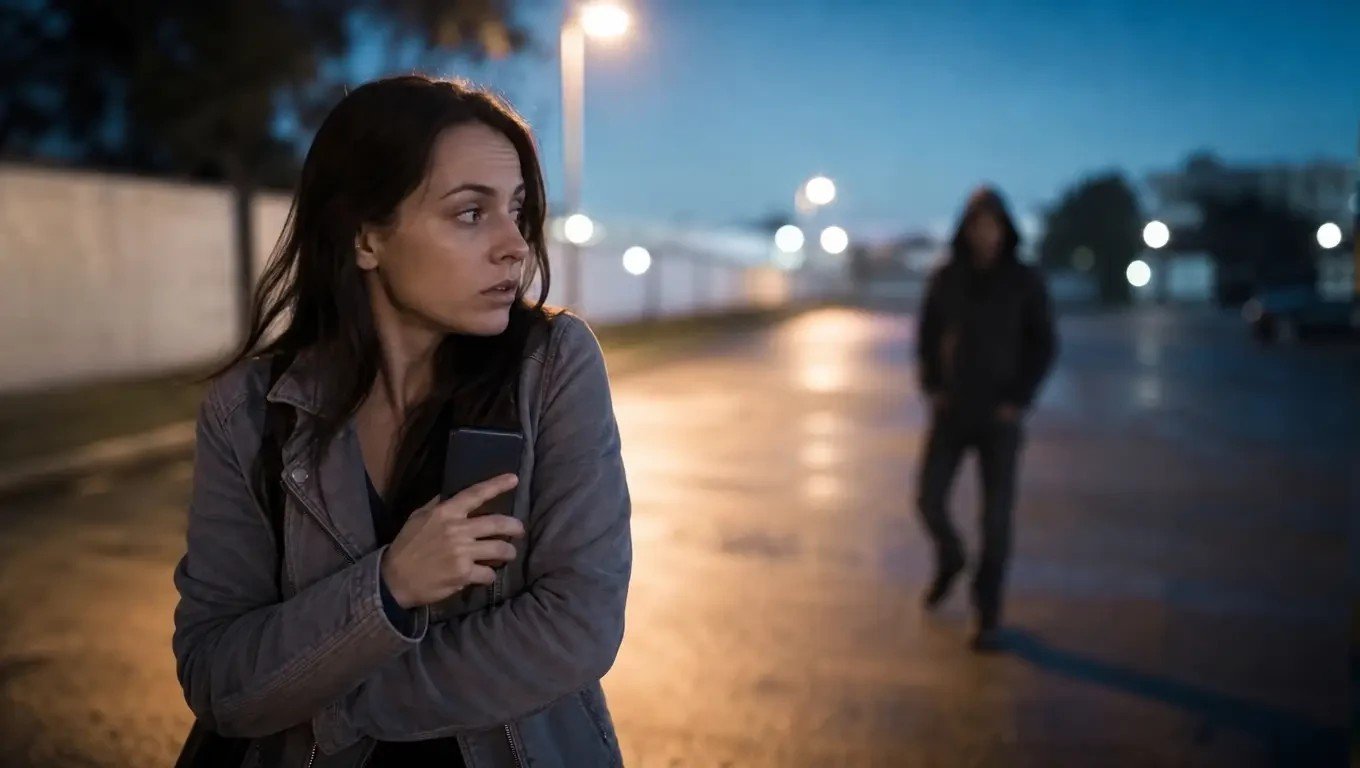
After a breakup, unwanted contact can feel confusing, exhausting, and hard to explain to other people. If someone keeps calling, showing up, tracking your movements, contacting friends, or refusing to respect clear distance, it can help to pause and make a practical safety plan. A safety plan for stalking after breakup is not about living in fear. It is about reducing risk, protecting your privacy, and making it easier to respond calmly if the behavior continues.
Every situation is different. You do not have to prove that your fear is “serious enough” to take steps. If something feels off, repeated, or escalating, it is reasonable to focus on safety. The goal is to create simple actions you can actually use under stress.
Start with immediate safety and trusted support
If you believe you are in immediate danger, call emergency services right away. If the person has threatened you, shown up unexpectedly, damaged property, or is following you, your first priority is your physical safety.
When possible, tell a few trusted people what is happening. Choose people who can stay calm, respect your privacy, and help you think clearly. You might tell a close friend, family member, neighbor, supervisor, faith leader, or a local domestic violence or stalking support program. You do not need a perfect explanation. A simple message is enough:
- “I ended a relationship, and I am being contacted in ways that do not feel safe.”
- “If you see this person near me, my home, or my workplace, please let me know.”
- “Please do not share my location, schedule, or personal information.”
Ask one or two people to be part of your support plan. That may include checking in with you, walking with you to your car, being on standby by phone, or helping you keep records. If you live alone, consider creating a code word you can text if you need help quickly.
If children are involved, make sure any caregivers, schools, or activity leaders know who is allowed to pick them up and what information should stay private. Keep instructions direct and written down where possible.
Build a practical safety plan for daily life
A good safety plan for stalking after breakup focuses on the places and routines the other person may know. Think through your day from morning to night and look for ways to make your movements less predictable and more supported.
At home
- Check that doors, windows, and outdoor areas are secure.
- Ask neighbors you trust to let you know if they see unusual activity.
- Keep your phone charged and with you.
- Have essentials ready in one place, such as keys, identification, medication, and important numbers.
- If possible, avoid being alone outside if the person has been showing up nearby.
At work or school
- Tell a supervisor, security desk, receptionist, or campus safety office what is happening.
- Share a photo only if you are comfortable and if it helps staff recognize the person.
- Ask about escorted walks, parking changes, visitor alerts, or private entry options.
- Review what contact information is visible to coworkers, clients, or the public.
In public and while traveling
- Change routines when you can, including routes, stores, workout times, or coffee stops.
- Park in well-lit areas and stay aware of who is around you.
- Avoid isolated places if the person has been watching or following you.
- Tell someone when you are coming and going, especially for evening plans.
- If you think you are being followed, go to a busy public place or police or security location rather than going straight home.
Your plan does not need to be complicated. Even two or three changes can give you more control and reduce easy access to you.
Protect your digital privacy and online boundaries
Harassment after a breakup often continues through phones, apps, email, and social media. A digital review can be an important part of your safety plan.
- Change passwords for email, banking, phone account access, social media, and cloud storage.
- Use strong, unique passwords and turn on two-factor authentication where available.
- Check location sharing settings on your phone, apps, photos, and family-sharing tools.
- Review connected devices, shared calendars, smart home accounts, and car apps.
- Limit who can see your posts, stories, check-ins, and friend lists.
- Ask friends not to tag your location or post your whereabouts in real time.
- Consider a new email address for important accounts if your current one is being flooded or watched.
Be careful about blocking right away if you may need to preserve evidence. In some situations, muting, filtering, or saving messages first may be more useful. A local stalking or domestic violence advocate can help you think through what fits your situation best.
If you suspect your phone, car, or accounts are being monitored, seek help from a trusted local specialist program or tech safety resource before making major changes. Sudden changes can sometimes alert the person that you are taking steps.
Document what is happening and know where to reach out
Keeping a clear record can help you stay grounded and make decisions. Documentation can also help when talking to support services, workplace security, housing staff, or law enforcement.
Try to record incidents as soon as you can. Keep notes in a safe place the other person cannot access. Include:
- Date, time, and location
- What happened
- Any witnesses
- Screenshots, voicemails, photos, or emails
- How the contact affected your sense of safety
Avoid replying out of pressure if contact is repeated. If you have already asked for no contact, repeated responses can sometimes increase the back-and-forth and make the pattern harder to manage emotionally. You do not need to handle this alone.
Consider reaching out to a local domestic violence program, stalking support service, victim advocate, campus safety office, workplace security team, or community hotline in your area. They may help with personalized safety planning, documenting patterns, and identifying local options for support. If you are ever in immediate danger, call emergency services.
Small next steps can make the situation feel more manageable
When life feels disrupted, simple steps matter. If you are not sure where to start, begin here:
- Tell two trusted people what is happening.
- Change passwords and review location-sharing settings today.
- Write down the last three unwanted contacts or sightings.
- Choose one safer route, routine, or check-in plan for this week.
- Save the contact information for a trusted local specialist support service.
You are not overreacting by taking your concerns seriously. A practical plan can help you think more clearly, protect your privacy, and reduce isolation while you decide what support you need next.
For readers who connect with personal stories about difficult relationships, fear, boundaries, faith, and rebuilding peace, Emily Amanda Turner’s memoir Where Is True Love? may be a meaningful companion alongside real-world support.
Frequently Asked Questions
What should be included in a safety plan for stalking after breakup?
A practical plan often includes trusted emergency contacts, safer routines, digital privacy steps, documentation of incidents, workplace or school alerts, and a plan for where to go if you feel unsafe. The best plan is simple enough to use under stress.
Should I save messages and screenshots if I am being harassed?
Saving unwanted messages, call logs, screenshots, voicemails, and dates of in-person sightings can be helpful. Keep records somewhere secure and organized. If you are unsure how to document safely, a local stalking or domestic violence support program may help you think it through.
How can I protect my privacy online after a breakup?
Change passwords, turn on two-factor authentication, review location-sharing settings, check connected devices and shared accounts, and ask friends not to post your location in real time. If you think your device or accounts may be monitored, seek trusted specialist help before making major changes.
Who can help if I feel unsafe after a breakup?
Trusted friends or family, local domestic violence or stalking support programs, victim advocates, campus safety, workplace security, and emergency services in urgent situations can all be part of your support network. You do not have to sort this out alone.
This article is for reflection and general education. It is not therapy, medical, legal, or emergency advice. If you feel unsafe, contact local emergency services or a trusted specialist-support resource.