
Domestic Violence Support for Men: Where to Start
Home » Domestic Violence Support for Men: Where to Start
Content
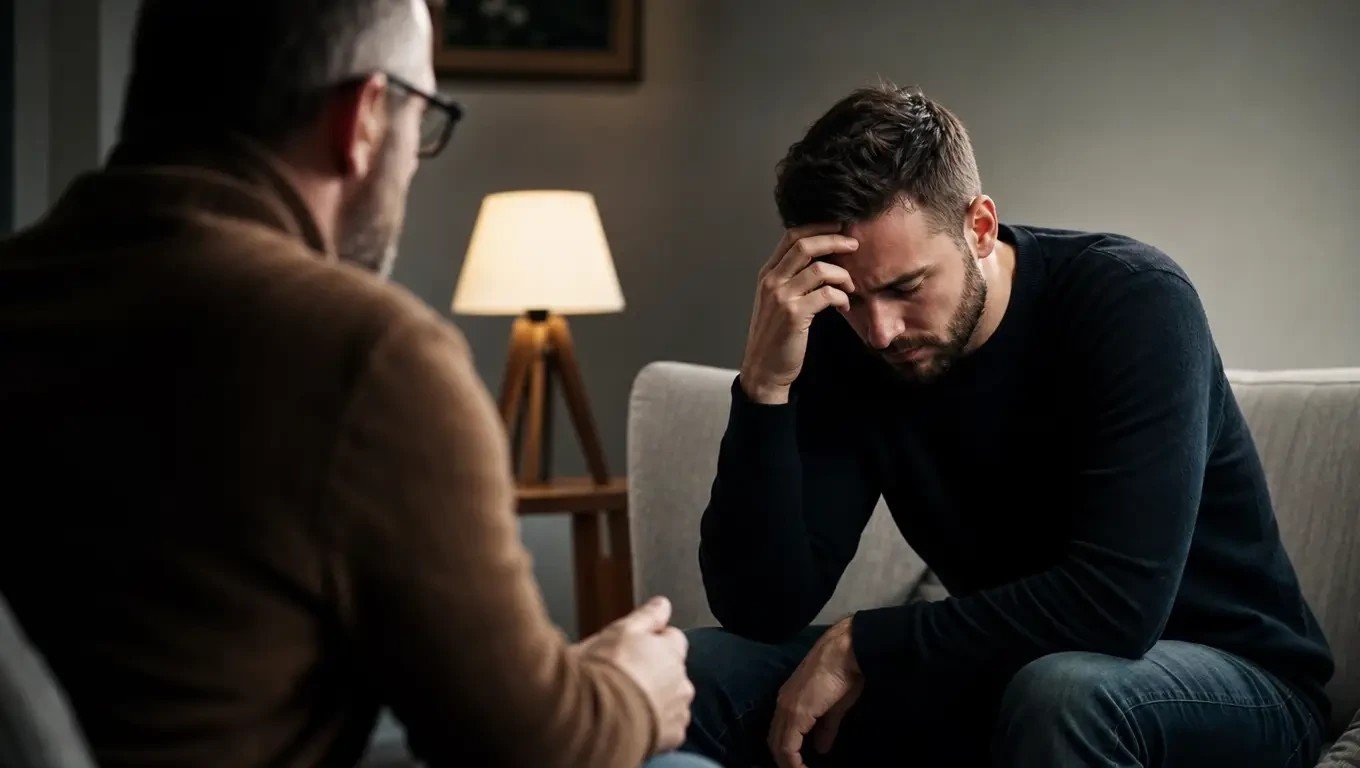
If you are looking for domestic violence support for men, it may help to hear this first: what you are experiencing matters, and you do not have to minimize it to deserve support. Abuse can include physical harm, threats, intimidation, controlling money, monitoring your phone, isolating you from people you trust, sexual pressure, humiliation, or repeated behavior that leaves you feeling unsafe. Even if you are unsure what to call it, your safety and well-being are important.
Many men hesitate to reach out because they worry they will not be believed, they feel embarrassed, or they think they should handle it alone. Some stay quiet because children are involved, because they fear losing housing or financial stability, or because the relationship has moments of calm that make the situation feel confusing. Those concerns are real. Support is still available, and taking one careful step can make the next step easier.
Start with immediate safety
If there is any chance the situation could escalate, focus on safety before anything else. You do not need to prove anything before making a plan. A simple plan can help you think more clearly if things become tense.
- Move toward safer spaces if an argument begins. Try to avoid rooms with weapons, sharp objects, or hard-to-exit areas.
- Keep your phone charged and accessible. If possible, memorize one or two important phone numbers in case you lose access to your contacts.
- Set aside essentials such as ID, keys, medication, cash, bank cards, and a change of clothes in a place you can reach quickly.
- Tell a trusted person what is happening and agree on a check-in phrase or code word that signals you need help.
- Call emergency services if you are in immediate danger or seriously injured.
If you live with the person harming you, think through where you could go for a night or two if needed. This might be a friend, family member, hotel, faith contact, or local shelter program that can help men find safe housing options. If children are involved, include their needs in your safety planning too.
Know what support can look like
Domestic violence support for men is not one single service. It can include practical help, emotional support, and guidance for next steps. Depending on your area, you may be able to connect with:
- Local domestic violence programs that offer confidential advocacy, safety planning, and referrals.
- Crisis lines or text services where you can talk through what is happening and what to do next.
- Men’s support groups focused on safety, boundaries, and rebuilding stability.
- Faith leaders or community mentors who are calm, trustworthy, and respectful of your choices.
- Medical care for injuries, stress-related symptoms, or sleep problems.
When you reach out, you do not need the perfect words. You can say, I do not feel safe in my relationship and I need help making a plan. If speaking feels hard, writing down a few examples ahead of time may help. Focus on what happened, how often it happens, and what makes you feel most at risk right now.
If the first person you tell is dismissive, that does not mean your situation is not serious. Try another source of support. A good response is one that centers your safety, listens without judgment, and helps you think clearly about options.
Document what you can, safely
You do not need to build a perfect record, but keeping careful notes can help you stay grounded in reality and remember patterns that are easy to minimize later. Only do this if it is safe. If the other person checks your devices, use extra caution and consider whether paper notes kept elsewhere would be safer.
- Write down incidents with dates, times, locations, and a short description of what happened.
- Save threatening messages, voicemails, emails, or photos of damaged property if it is safe to do so.
- Store copies outside the home or in an account the other person cannot access.
- Tell a trusted person about specific incidents so someone else is aware of the pattern.
Documentation is not about arguing your case with the person harming you. It is about helping you stay oriented, prepare for support conversations, and keep a clearer record of what has been happening.
Protect your privacy, money, and daily stability
Abuse often affects more than physical safety. It can disrupt work, sleep, concentration, finances, housing, parenting, and your sense of independence. Small protective steps can reduce risk and create breathing room.
- Change passwords on email, banking, and phone accounts if you can do so safely.
- Review shared devices and accounts for location sharing, linked logins, or access you no longer want the other person to have.
- Open a private email account for support contacts and planning if needed.
- Set aside emergency funds when possible, even in small amounts.
- Keep work and school contacts informed only as needed, especially if you are worried about surprise visits or harassment.
It may also help to make your world a little less isolated. Reach out to one steady person. Accept practical help like a ride, a place to stay, or someone to sit with you while you make calls. Abuse often grows in secrecy; safe support can interrupt that pattern.
What to do next if you feel stuck
It is common to feel torn. You may still care about the person. You may hope things will settle down. You may also be exhausted, confused, or ashamed that things reached this point. None of that changes the fact that safety matters.
If you are not ready for a big decision, start with one small one. Choose one person to tell. Save one important document. Write one list of safe places to go. Put one charger and one set of keys where you can grab them quickly. Progress can begin quietly.
Practical next steps
- Rate your current safety risk: low, rising, or urgent.
- Identify two people you can contact today.
- Pack or list your essentials: ID, keys, medication, money, phone, charger.
- Reach out to a local domestic violence program or crisis line for confidential support.
- If children are involved, include their pickup, medications, and safe contacts in your plan.
For readers who connect with personal stories, Where Is True Love? by Emily Amanda Turner is a memoir about surviving harmful relationship patterns, choosing safety, and rebuilding peace. It is one person’s story, not professional advice, but some readers may find the honesty and hope encouraging as they take their own next steps.
Frequently Asked Questions
Can men get domestic violence support even if there was no physical violence?
Yes. Support can still be important if you are dealing with threats, intimidation, controlling behavior, financial control, isolation, sexual pressure, stalking, or repeated actions that make you feel unsafe.
What should I say when I call for help?
Keep it simple. You can say, “I do not feel safe in my relationship and I need help making a plan.” If you can, share what has happened recently, whether children are involved, and whether you need immediate safety help.
What if I am worried no one will believe me?
That fear is common, and it can make reaching out harder. Try a local domestic violence program, crisis line, trusted doctor, or another calm person who will listen without judgment. If one response is unhelpful, try another source of support.
Should I confront my partner about the abuse before asking for help?
If safety is a concern, it is usually wiser to focus on private safety planning and outside support first. Contact a trusted local domestic violence resource to think through safe next steps, and call emergency services if you are in immediate danger.
This article is for reflection and general education. It is not therapy, medical, legal, or emergency advice. If you feel unsafe, contact local emergency services or a trusted specialist-support resource.