
How a Narcissistic Partner May React When They Lose Control
Home » How a Narcissistic Partner May React When They Lose Control
Content
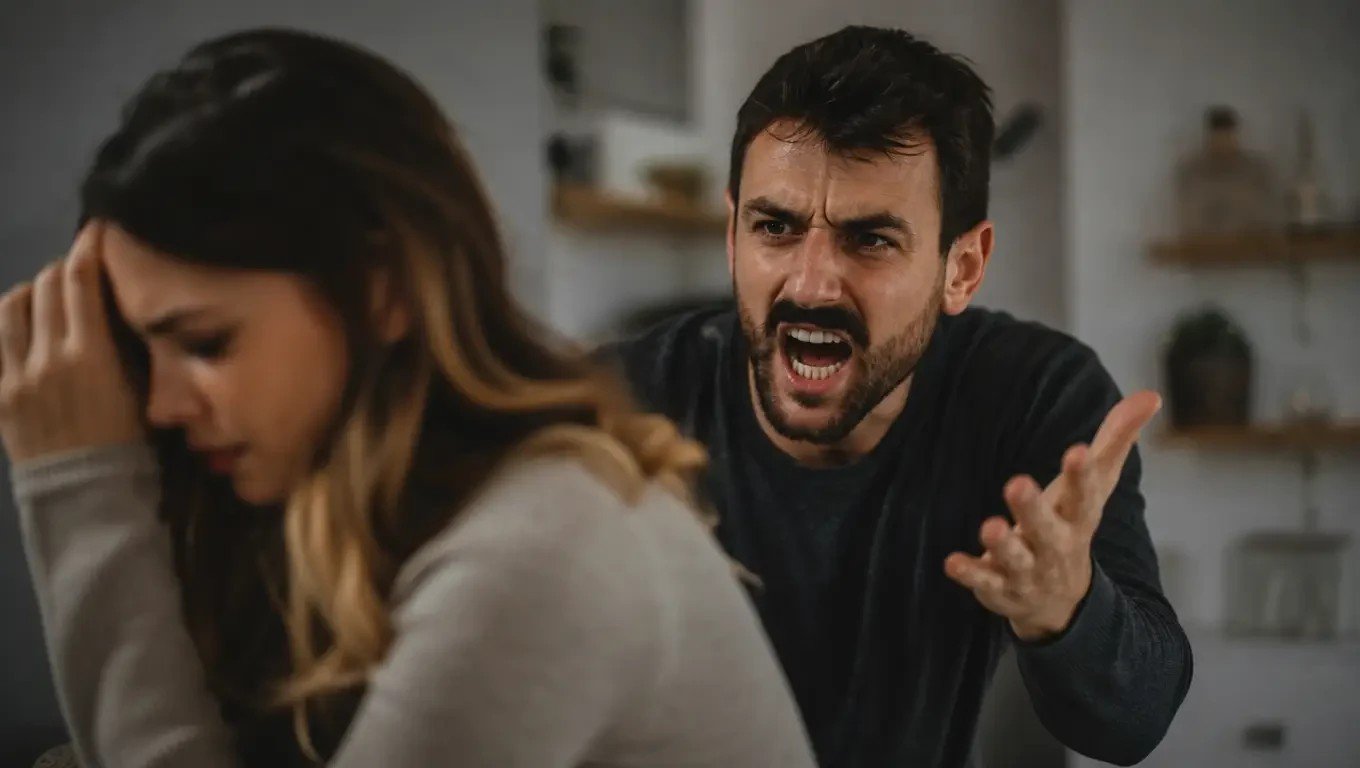
When people search how does a narcissist react when they lose control, they are often trying to make sense of a relationship that feels confusing, draining, or emotionally unsafe. In many unhealthy dynamics, control does not always look obvious. It can show up through guilt, pressure, silent treatment, blame, constant criticism, jealousy, or sudden affection that appears right after conflict. When that control starts slipping, the other person’s behavior may shift quickly.
It helps to begin with one important reminder: you do not need to label someone perfectly in order to take your own experience seriously. If a partner’s reactions leave you walking on eggshells, doubting yourself, or feeling afraid to make normal decisions, that matters. Your focus can stay on the pattern, your safety, and your next grounded step.
In difficult relationships, a controlling partner may react strongly when they feel they are no longer getting the response they want. The goal is often not healthy understanding. The goal may be to regain influence, attention, compliance, or emotional access. Recognizing that pattern can help you respond with more clarity and less confusion.
Why losing control can trigger a stronger reaction
In a healthy relationship, disagreement, independence, and boundaries are part of normal life. One person can be disappointed without trying to overpower the other. In an unhealthy relationship, though, your growing independence may be treated like a threat rather than a normal expression of personhood.
This can happen when you start saying no, spend time with supportive people, question contradictions, protect your privacy, manage your own money, or step back from repeated arguments. A controlling partner may sense that the usual ways of influencing you are not working as well. That can lead to more intense attempts to pull you back into the old pattern.
Sometimes the reaction is loud and obvious. Other times it is subtle and polished. Either way, the underlying issue may be the same: your choices are no longer revolving around their demands, moods, or approval. If that shift makes them escalate, the escalation itself gives you useful information about the relationship.
Many people get stuck here because they hope that if they explain better, love harder, or stay calm enough, the other person will respond reasonably. Clear communication matters, but it does not fix a pattern built on control. If someone repeatedly uses your emotions, empathy, or loyalty to override your boundaries, the problem is not that you have failed to explain yourself correctly.
Common ways a controlling partner may react
Not every person reacts the same way, but there are several patterns people often notice when control begins to slip. These reactions can come one at a time or cycle back and forth depending on what gets a response.
Anger or intimidation
A partner may become unusually angry when you make an independent choice. They may raise their voice, criticize your character, accuse you of being selfish, or act as if your boundary is an attack. The purpose may be to make holding your ground feel so unpleasant that you give in.
Blame and reversal
Instead of discussing the actual issue, they may turn the focus onto your tone, your memory, your loyalty, or your flaws. This can leave you defending yourself rather than staying on the original concern. Over time, this pattern can make you second-guess what happened and whether your feelings are valid.
Silent treatment or withdrawal
Some people react by going cold. They may ignore messages, withhold affection, disappear emotionally, or act as if you no longer matter. This can create panic and pressure, especially if you are used to trying to repair the connection quickly.
Sudden charm or affection
If anger does not work, the partner may switch strategies. They may become attentive, apologetic, romantic, or unusually agreeable. Sometimes this is sincere. In an unhealthy cycle, however, the sudden warmth appears mainly when they sense they are losing access or influence, then fades once things return to normal.
Smear tactics or triangulation
They may involve other people, twist the story, or hint that you are unstable, cruel, or ungrateful. This can feel deeply isolating. It may also make you want to prove your innocence to everyone around you. That impulse is understandable, but it often pulls you deeper into the chaos.
If you have been asking, how does a narcissist react when they lose control, these kinds of swings are often what people are trying to name: pressure, punishment, confusion, and sudden shifts designed to regain emotional leverage.
How these reactions can affect you
One of the hardest parts of a controlling relationship is that you may start organizing your life around preventing the next reaction. You might rehearse conversations, hide harmless decisions, shrink your preferences, or accept treatment that goes against your values just to keep the peace. Eventually, peace can start to feel like something you earn by abandoning yourself.
You may also feel bonded to the occasional good moments. When warmth follows hurt, it is easy to think the relationship is improving. But if closeness only appears after you have been frightened, blamed, or destabilized, that pattern deserves careful attention.
Another common effect is mental fog. Confusing reactions can keep you busy sorting out what happened, what they meant, and whether you were too sensitive. This is one reason journaling can help. Writing down dates, events, and your feelings in plain language can bring you back to what actually occurred instead of what you were told occurred.
If the relationship includes threats, stalking, forced isolation, intimidation, monitoring, destruction of property, sexual pressure, or any behavior that makes you fear for your safety, it is important to treat that seriously. In those moments, your best next step is not winning the argument. It is protecting yourself with a safety plan, support from a trusted local domestic violence resource or specialist, and emergency services if you are in immediate danger.
How to protect your peace without getting pulled in
When someone reacts badly to losing control, your energy is precious. You may not be able to control their behavior, but you can strengthen your response.
- Keep communication brief and clear. Long explanations can give a controlling person more material to debate, twist, or use against you.
- Notice the pattern, not just the promise. Pay more attention to repeated behavior over time than to intense words spoken in a crisis.
- Protect your support system. Stay connected to people who help you think clearly and feel grounded.
- Document what you need to remember. Save important messages if that feels safe, and keep notes in a secure place.
- Strengthen practical independence. This may include transportation, finances, housing options, passwords, and personal documents.
- Choose distance when needed. A pause in communication, a firmer boundary, or a structured plan for contact may help reduce emotional whiplash.
Many readers find that healing begins with small acts of honesty: admitting that the pattern is real, acknowledging that love does not require endless harm, and letting peace become a priority again. That kind of reckoning is part of the emotional landscape reflected in Where Is True Love?, especially in Chapters 1, 4, and 6, where relationship confusion, betrayal, and the search for steadier ground shape the journey. The memoir is a personal story, not professional advice, but readers who have felt trapped in painful cycles may recognize the struggle to reclaim clarity and self-respect.
A brief reflection for your next step
If you are trying to understand this pattern, ask yourself these questions and answer them honestly:
- What usually happens when I say no?
- Do I feel freer to be myself, or more afraid of their reaction?
- Am I responding to real change, or to temporary calm after harm?
- Who can I talk to that helps me think clearly and stay safe?
You do not need a perfect label before you choose peace. If a relationship repeatedly punishes your boundaries, distorts your reality, or makes safety feel uncertain, that is enough reason to take your next step seriously.
Frequently Asked Questions
Does losing control always make a narcissistic partner angry?
Not always. Some people react with anger, while others become cold, charming, apologetic, or manipulative in subtler ways. The key is whether the behavior seems aimed at regaining influence rather than building mutual understanding.
Should I point out the pattern directly?
That depends on your safety and the history of the relationship. If direct conversations have led to intimidation, retaliation, or escalation, prioritize your safety, support system, and a careful plan instead of trying to force insight.
How can I tell the difference between a bad moment and a harmful pattern?
Look at what happens over time. A harmful pattern often includes repeated blame, pressure, punishment for boundaries, or temporary kindness that appears mainly when you pull away. Patterns are more revealing than isolated promises.
What should I do if I feel unsafe?
If you feel unsafe, focus on safety planning and support. Reach out to a trusted local domestic violence resource, advocate, or specialist, and contact emergency services right away if you are in immediate danger.
This article is for reflection and general education. It is not therapy, medical, legal, or emergency advice. If you feel unsafe, contact local emergency services or a trusted specialist-support resource.