
Restraining Orders and Domestic Violence: Questions to Ask Locally
Home » Restraining Orders and Domestic Violence: Questions to Ask Locally
Content
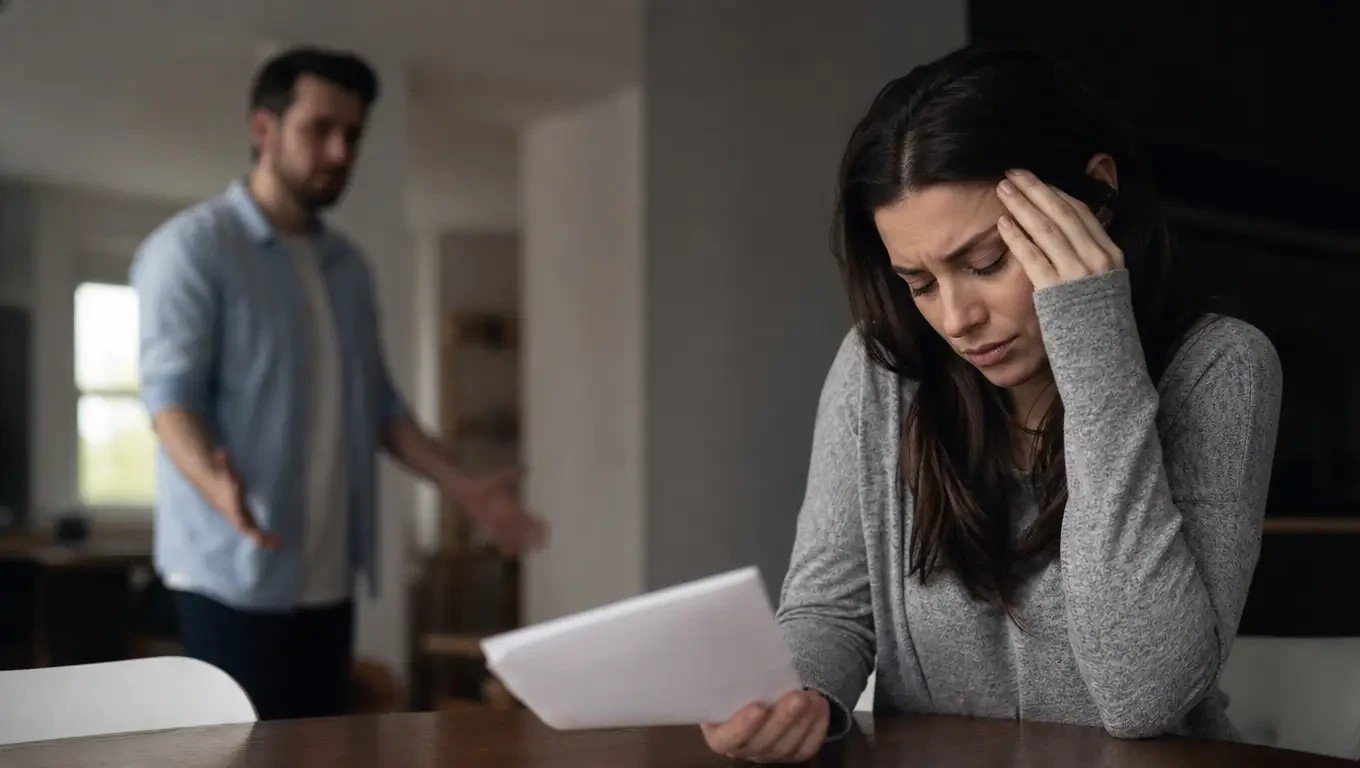
If you are looking for restraining order domestic violence information, you may be trying to make sense of a stressful and deeply personal situation. Laws, court forms, and local procedures can vary a lot from one city, county, or state to another, so broad advice can only go so far. What often helps most is knowing which questions to ask locally, how to protect your privacy while you gather information, and how to build a practical safety plan around each step.
A restraining order is one possible tool, but it is not the only form of support. Many people also need safe housing, help documenting incidents, transportation planning, child care planning, workplace safety steps, and emotional support from trusted people. If you are in immediate danger, call emergency services right away. If it feels safer, contact a trusted local domestic violence program or victim advocate who can explain options in your area and help you think through next steps without pressure.
Start with safety before paperwork
Before focusing on forms or court dates, pause and ask what will help you stay safest today. For some people, gathering information can be done privately from a library, a trusted friend’s phone, or a device the other person cannot access. For others, even searching online may increase risk if their activity is monitored.
Consider whether it is safer to:
- Use a secure device and private email account
- Turn off shared location services if you can do so safely
- Save important phone numbers under neutral names if needed
- Keep copies of key documents in a safe place outside the home
- Tell one trusted person what is happening and when you may need help
If children are involved, think through pickup routines, school communication, and who is allowed to receive them. If you share a home, car, bank account, or phone plan, local advocates can often help you think through practical risks that may not be obvious at first.
You do not need to figure everything out alone. A local advocate may be able to explain what support is available in your area, including shelter options, court accompaniment, and help creating a personalized safety plan.
Questions to ask locally about restraining orders
Because local rules differ, it can help to write down questions before you call a court clerk, domestic violence program, legal aid office, or victim advocate. The goal is not to memorize everything at once. The goal is to get clear, local information so you can make informed choices.
Questions about eligibility and process
- What types of restraining or protective orders exist in this area?
- Who can apply for one locally?
- Where do I file, and what are the court hours?
- Is there a fee, and can any fees be waived?
- Can someone help me understand the paperwork?
- What information or documents should I bring?
- Can I ask for language access or other accommodations?
Questions about timing and what happens next
- How quickly can a temporary order be considered?
- When would a hearing usually be scheduled?
- How will I be notified about dates or changes?
- What should I expect at the hearing?
- Is support available if I do not want to go alone?
Questions about safety and enforcement
- How is the order delivered to the other person?
- When does the order take effect locally?
- What should I do if the order is violated?
- How can I keep my address or contact details more private if local rules allow?
- What safety steps should I take after filing or after service?
These questions can help you understand not only the process but also the possible risks around timing, contact, and privacy. A local specialist can help you think through whether seeking an order fits your situation and safety needs.
What information may be helpful to gather
You do not need to have a perfect file to ask for help. Still, many people feel more prepared when they gather basic information in one place. If collecting anything could put you at greater risk, your safety comes first.
Helpful items may include:
- A written timeline of incidents, including dates, locations, and what happened
- Screenshots, voicemails, emails, or messages if it is safe to keep them
- Photos of damage or injuries if applicable and safe to store
- Names of any witnesses who may have seen or heard incidents
- Important identifying information the court may ask for
- Copies of leases, custody paperwork, school schedules, or other documents tied to daily safety planning
Store materials in a safer location if possible, such as with a trusted person, in a private email account the other person cannot access, or in another secure place. If you are unsure how to document things safely, a local advocate may be able to help you think through options that fit your circumstances.
It can also help to prepare for practical needs around a court date, such as transportation, time off work, child care, and emotional support before and after the appointment.
How to build a practical local support plan
Restraining order domestic violence information is most useful when it is part of a broader support plan. Even when someone chooses to seek an order, they may still need help with housing, finances, technology safety, or simply getting through the next few days.
A practical plan may include:
- One trusted contact. Choose one person who can keep information private and help in an emergency.
- One local resource. Save the number for a domestic violence program, victim advocate, or local hotline.
- One safer place. Identify where you could go for a few hours or overnight if needed.
- One essentials bag. If safe, keep keys, medication, documents, and basic items in an easy-to-grab place.
- One communication plan. Decide how you will ask for help if speaking openly is not safe.
If your workplace, school, or child’s school needs to know about safety concerns, ask a local advocate what kind of information is helpful to share and how to do it in a way that protects your privacy as much as possible.
Some people also find it grounding to make a short list of reminders: who to call first, where forms are stored, what route feels safest, and what to do if emotions make it hard to think clearly in the moment.
Gentle next steps and where hope can begin
If this feels overwhelming, try not to force yourself to solve everything at once. One safe, concrete step is enough for today. You might call a local domestic violence program, ask the court what office handles protective orders, or write down the questions you want answered before deciding anything.
Here is a simple reflection list you can use:
- What feels most urgent for my safety right now?
- Who is one person I trust enough to tell?
- What device or location is safest for getting information?
- Which local office or advocate can answer my questions?
- What would help me feel more prepared for the next 24 hours?
No article can replace local guidance for a specific situation, especially when safety is involved. But clear questions, careful planning, and trusted support can help you move one step at a time. If you want to read a personal story about surviving painful relationship patterns, rebuilding boundaries, and finding a new direction, the memoir Where Is True Love? by Emily Amanda Turner may be a meaningful companion.
Frequently Asked Questions
What is the best first step if I need local restraining order information?
A strong first step is contacting a trusted local domestic violence program, victim advocate, or the court office that handles protective orders. Ask about local eligibility, filing steps, timing, privacy options, and safety planning. If you are in immediate danger, call emergency services.
Do I need proof before I ask about a restraining order?
You can usually ask about the process before you have everything organized. Local offices can tell you what information may be helpful in your area. If it is safe, many people gather a timeline of incidents, messages, photos, or names of witnesses, but safety should come first.
Can a restraining order help with overall safety by itself?
It may be one part of a larger plan, but many people also need practical support such as safe housing, transportation planning, workplace or school safety steps, technology privacy changes, and trusted local support. A local advocate can help you think through a broader safety plan.
What if I am afraid the other person will find out I am seeking information?
Try to use a safer device, private email, or a trusted location such as a library or friend’s home if that is possible for you. You can also ask a local advocate about privacy steps and safer ways to gather information. If you believe you are in immediate danger, contact emergency services.
This article is for reflection and general education. It is not therapy, medical, legal, or emergency advice. If you feel unsafe, contact local emergency services or a trusted specialist-support resource.