
Why Abuse Can Escalate When You Leave and How to Plan for Safety
Home » Why Abuse Can Escalate When You Leave and How to Plan for Safety
Content
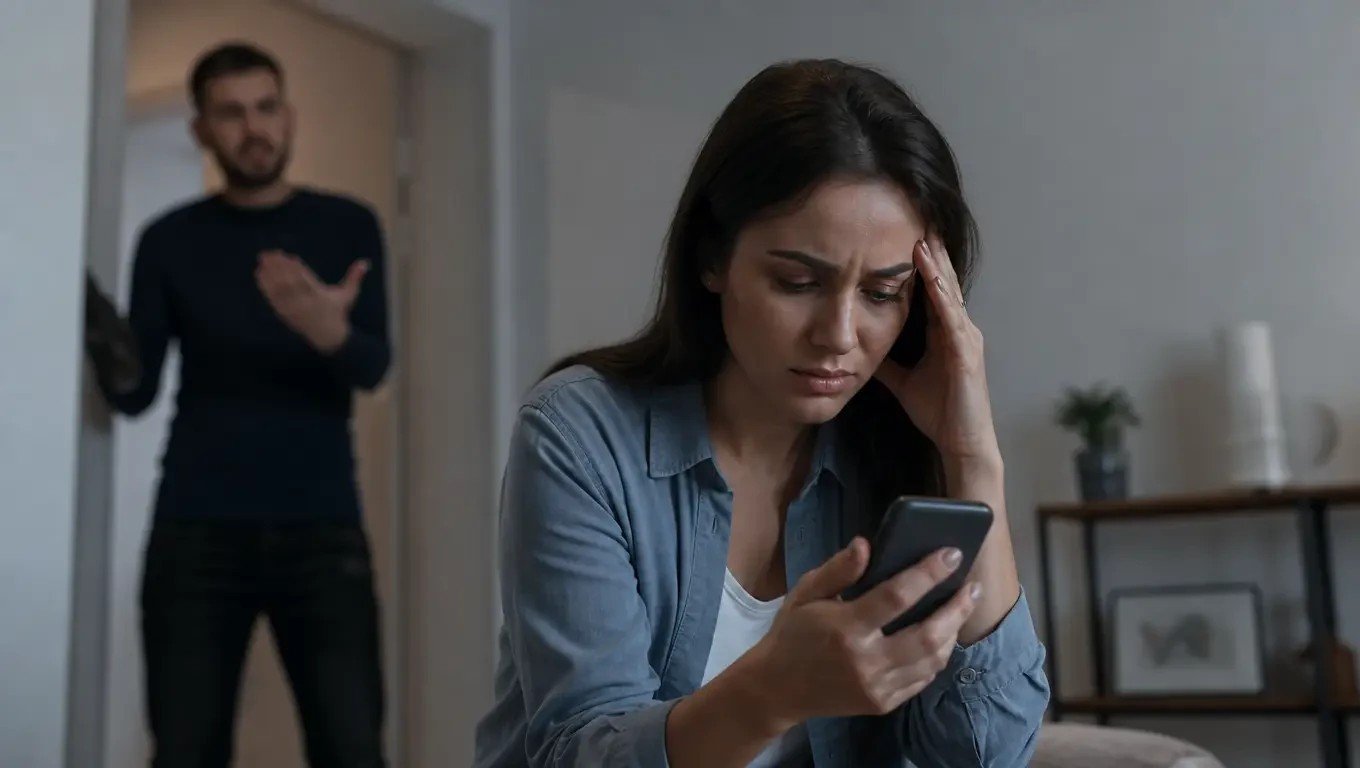
Many people ask, can abuse get worse when you leave. The hard truth is that it can. Leaving may interrupt a pattern of control, and that loss of control can sometimes lead to more pressure, more monitoring, more threats, or more unpredictable behavior. This is not your fault. It does not mean leaving is wrong. It means safety matters, and thoughtful planning can help reduce risk.
Every situation is different. Some people leave quickly because they must. Others prepare in small, careful steps. Whether you are thinking about leaving, trying to leave, or have already left, it can help to focus less on explaining the other person’s behavior and more on protecting your safety, privacy, and support system.
Why abuse can escalate during or after leaving
Abuse often centers on power and control. When someone senses they are losing access to you, your home, your finances, your phone, or your attention, they may increase efforts to pull you back in. That can look different in every relationship. It may involve repeated calls, surprise visits, pressure through children or relatives, financial interference, stalking behaviors, damage to property, or sudden promises to change.
Escalation can also happen because leaving changes routines. The person may no longer know where you are, who you are with, or how to reach you. Uncertainty can lead to more attempts to track, contact, or influence you. In some cases, there may be a short calm period followed by renewed pressure later.
If you are wondering whether you are overreacting, it may help to remember this: taking your safety seriously is not overreacting. You do not need permission to make a plan, ask for help, or use support services.
Signs you may need stronger safety steps
You know your situation best, but certain patterns can be signals to tighten your plan and reach out for local specialist support. Pay attention if the person is:
- Monitoring you through your phone, car, accounts, social media, or shared devices
- Contacting you constantly after you asked for space
- Showing up unexpectedly at work, school, home, or places you visit
- Using children, pets, money, or housing to pressure you
- Making threats toward you, themselves, loved ones, or property
- Trying to isolate you from friends, family, coworkers, or faith community
- Breaking boundaries by entering your space, taking keys, or refusing to return important items
If any of this is happening, consider connecting with a trusted local domestic abuse organization or hotline in your area. They can help you think through options based on your circumstances. If you believe you are in immediate danger, call emergency services right away.
How to make a practical safety plan
A safety plan does not have to be complicated. It is a set of simple decisions made ahead of time so you are not forced to figure everything out in a crisis. Keep the plan in a place the other person cannot easily access.
People and places
- Choose one or two trusted people who know what is happening and can help without sharing your information.
- Identify safe places you could go on short notice, even for a few hours.
- Agree on a code word you can text or say if you need help fast.
- Tell a neighbor, building manager, pastor, supervisor, or school contact only if it feels safe and useful.
Important items
- Gather what you can: identification, keys, medications, bank cards, cash, charger, important phone numbers, copies of paperwork, and essentials for children or pets.
- Pack a small bag and store it somewhere safe if possible.
- Keep your car fueled if you have one, or plan transportation routes in advance.
Digital privacy
- Change passwords on email, banking, and social accounts from a device the other person cannot access.
- Turn off location sharing and review app permissions.
- Use a new email address for safety planning if needed.
- Be cautious with shared phone plans, cloud accounts, smart home devices, and car apps.
Daily routines
- Vary routines if you think someone is tracking your movements.
- Choose public, well-lit places for necessary exchanges.
- Ask a trusted person to accompany you when possible.
- Save screenshots, voicemails, or messages somewhere secure if you may need a record later.
You do not need to do every step at once. Even one small action can make a real difference.
What support can look like after you leave
Leaving is not one moment. It can be a process with emotional, financial, spiritual, and practical layers. You may feel relief, grief, fear, guilt, confusion, or numbness, sometimes all in the same day. Those reactions do not mean you made the wrong choice. They often reflect how stressful and disruptive this experience is.
Support can include:
- A local domestic abuse advocate who helps with safety planning and options
- A trusted friend or family member who respects your boundaries
- A faith leader who offers calm support without pressuring you
- A counselor or support group for emotional processing and rebuilding stability
- Workplace or campus support if your safety may affect your routine
It can also help to reduce direct contact when possible. If communication is necessary, keep it brief, practical, and documented. You do not owe long explanations. Protecting your peace is not cruel; it is a boundary.
Next steps if you are unsure what to do
If you feel frozen, start small. You do not have to solve the whole situation today.
- Tell one safe person what is happening.
- Write down three places you could go if you needed to leave quickly.
- Put key numbers, medications, and essentials in one easy-to-reach place.
- Review your phone settings for location sharing and privacy.
- Contact a trusted local specialist service to talk through options.
If immediate safety is a concern, contact emergency services now.
For readers who find strength in personal stories, Where Is True Love? by Emily Amanda Turner is a memoir about surviving harmful relationship patterns, choosing safety, and rebuilding peace. The author writes from personal experience, not as a therapist.
Frequently Asked Questions
Can abuse get worse when you leave a relationship?
Yes, it can. Leaving may disrupt a pattern of control, and some people respond by increasing pressure, monitoring, threats, or attempts to pull the other person back. That is why safety planning and local support can be so important.
What should I do first if I think leaving could make things more dangerous?
Start with safety. Tell a trusted person, identify a safe place to go, gather essentials if you can, and contact a local domestic abuse service for personalized planning. If you are in immediate danger, call emergency services.
Should I tell the person I am leaving ahead of time?
That depends on your safety. In some situations, announcing plans can increase risk. A trusted local advocate can help you think through the safest approach for your circumstances.
How can I protect my privacy after I leave?
Check location sharing, change passwords from a safe device, review shared accounts and app permissions, and be careful with social posts, cloud services, smart devices, and car apps. If possible, ask a trusted local specialist for help reviewing digital safety.
This article is for reflection and general education. It is not therapy, medical, legal, or emergency advice. If you feel unsafe, contact local emergency services or a trusted specialist-support resource.