
How to Support a Friend Experiencing Domestic Violence
Home » How to Support a Friend Experiencing Domestic Violence
Content
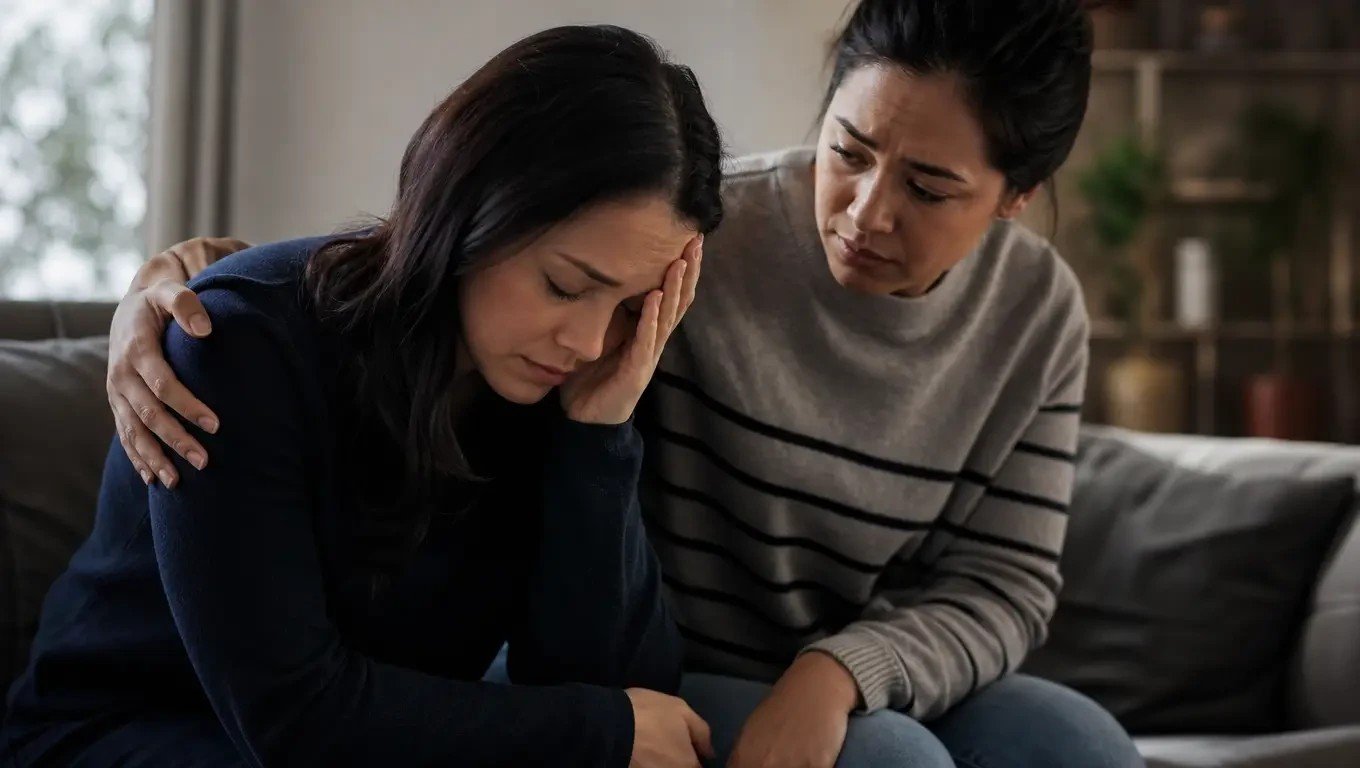
Watching someone you care about live with fear, control, or intimidation can leave you feeling helpless. If you are wondering how to support a friend experiencing domestic violence, the most helpful place to start is not with pressure or quick answers. It is with safety, steady support, and respect for your friend’s choices.
You do not need to have perfect words. You do not need to solve everything. What often helps most is being a calm, trustworthy person who listens, believes them, and helps them think through safe next steps. Support can make a real difference, especially when your friend feels isolated or unsure.
Start by listening and believing your friend
Many people living in abusive situations are already being blamed, doubted, or controlled. A supportive response can help reduce shame and make it easier for your friend to reach for help again.
When your friend shares what is happening, try to respond with warmth and patience. You might say:
- “I’m glad you told me.”
- “What’s happening is not your fault.”
- “You don’t deserve to be treated this way.”
- “I’m here to support you.”
Try not to interrupt, question every detail, or push them to explain more than they want to share. Even if you feel angry or scared for them, focus first on making them feel heard.
It can also help to avoid statements that may sound simple but can feel dismissive, such as “Just leave” or “I would never stay.” Leaving is often complicated by fear, finances, children, housing, transportation, immigration concerns, family pressure, or concern that things may become more dangerous. Your friend may need support over time, not a one-time conversation.
Prioritize safety over urgency
When thinking about how to support a friend experiencing domestic violence, safety matters more than speed. Pushing for immediate action can sometimes increase risk. Instead, help your friend consider what feels safest right now.
If they are in immediate danger, encourage them to contact emergency services right away. If calling is not safe, help them think about another fast option, such as going to a trusted neighbor, public place, or local emergency resource.
In non-emergency moments, you can gently ask practical questions like:
- “Do you feel safe today?”
- “Is there a safer time or way for us to talk?”
- “Is your phone, email, or location being monitored?”
- “Who could you contact quickly if you needed help?”
Be careful with messages, calls, and social media. If the abusive person checks devices, even supportive communication could create danger. Ask your friend what method of contact is safest and when to use it.
You can also suggest small safety steps without pressuring them. Depending on their situation, that may include keeping important numbers written down, setting up a code word, identifying a safe place to go, or packing essential items only if doing so would not increase risk. A trusted local domestic violence organization can help your friend build a more detailed safety plan tailored to their circumstances.
Offer practical help your friend can actually use
Support is often most meaningful when it is specific. Instead of saying “Let me know if you need anything,” offer realistic help your friend can accept.
You might be able to:
- Provide a safe, private time to talk.
- Help them look up trusted local domestic violence services.
- Offer transportation to a safe place, appointment, or support service if appropriate.
- Keep copies of important contact information if they ask you to.
- Watch children briefly during an appointment, if that feels safe and manageable.
- Help them think through what they would need in an emergency.
Let your friend stay in control of what they choose. Ask before taking action. For example, say, “Would it help if I sat with you while you call a local support line?” rather than making calls without their consent.
If your friend is not ready to make changes, you can still be supportive. Consistent care matters. A person may need time to process what is happening, especially if they have been repeatedly told that the abuse is normal, deserved, or their fault.
What not to do when supporting a friend
Even loving people can respond in ways that increase pressure or risk. Knowing what to avoid is part of learning how to support a friend experiencing domestic violence.
- Do not confront the abusive person. This can escalate danger for your friend and for you.
- Do not pressure your friend to leave on your timeline. Support works best when it respects their pace and safety concerns.
- Do not blame them for staying, returning, or feeling conflicted. Complex emotions are common in harmful relationships.
- Do not share their situation with others without permission, unless there is an immediate emergency. Privacy can be part of safety.
- Do not make promises you cannot keep. Be honest about what help you can offer.
- Do not take over. Your role is support, not control.
It is also wise to be careful about storing evidence, messages, or belongings unless your friend specifically asks and you understand the risks. In some situations, having certain items discovered could create more danger. Encourage connection with a trusted local specialist service for guidance that fits their situation.
Stay steady, and connect your friend with trusted support
One conversation may not be enough. Your friend may open up, pull back, minimize what happened, or feel unsure the next day. Try to remain steady. A simple check-in such as “Thinking of you. No pressure to respond. I’m here.” can be supportive if texting is safe for them.
Encourage your friend to connect with a trusted local domestic violence organization, shelter, advocate, or community support service. These specialists can help with safety planning, emergency options, and practical support in a way that matches local resources. If your friend is in immediate danger, contact emergency services.
You matter too. Supporting someone in crisis can be emotionally heavy. Consider reaching out to a trusted support person of your own without sharing private details that could put your friend at risk. Staying grounded can help you remain useful and calm.
Practical next steps
- Ask your friend what form of communication is safest.
- Use supportive language: “I believe you,” “It’s not your fault,” and “You have options.”
- Help them identify one trusted local support resource.
- Create a simple code word for urgent help, if they want one.
- In an emergency, contact emergency services right away.
If you want a personal, non-clinical perspective on fear, harm, boundaries, and rebuilding peace, the memoir Where Is True Love? by Emily Amanda Turner may be a meaningful next read.
Frequently Asked Questions
What should I say to a friend experiencing domestic violence?
Keep your words simple and supportive. You can say, “I’m glad you told me,” “I believe you,” “This is not your fault,” and “I’m here for you.” Avoid judging, blaming, or pushing them to make immediate decisions.
Should I tell my friend to leave the relationship?
It is usually more helpful to focus on safety and support than to pressure them to leave. Leaving can be complex and may increase risk in some situations. Respect your friend’s choices while encouraging connection with trusted local domestic violence support.
What if I think my friend is in immediate danger?
If there is immediate danger, encourage your friend to contact emergency services right away. If you are with them and it is safe to do so, help them get to a safer place. In urgent situations, emergency help should come first.
Can I confront the abusive partner myself?
No. Confronting the abusive person can increase danger for your friend and for you. A safer approach is to support your friend privately, help them consider safe next steps, and connect them with trusted local specialist resources.
This article is for reflection and general education. It is not therapy, medical, legal, or emergency advice. If you feel unsafe, contact local emergency services or a trusted specialist-support resource.