
Safety Planning After Separation from an Abusive Partner
Home » Safety Planning After Separation from an Abusive Partner
Content
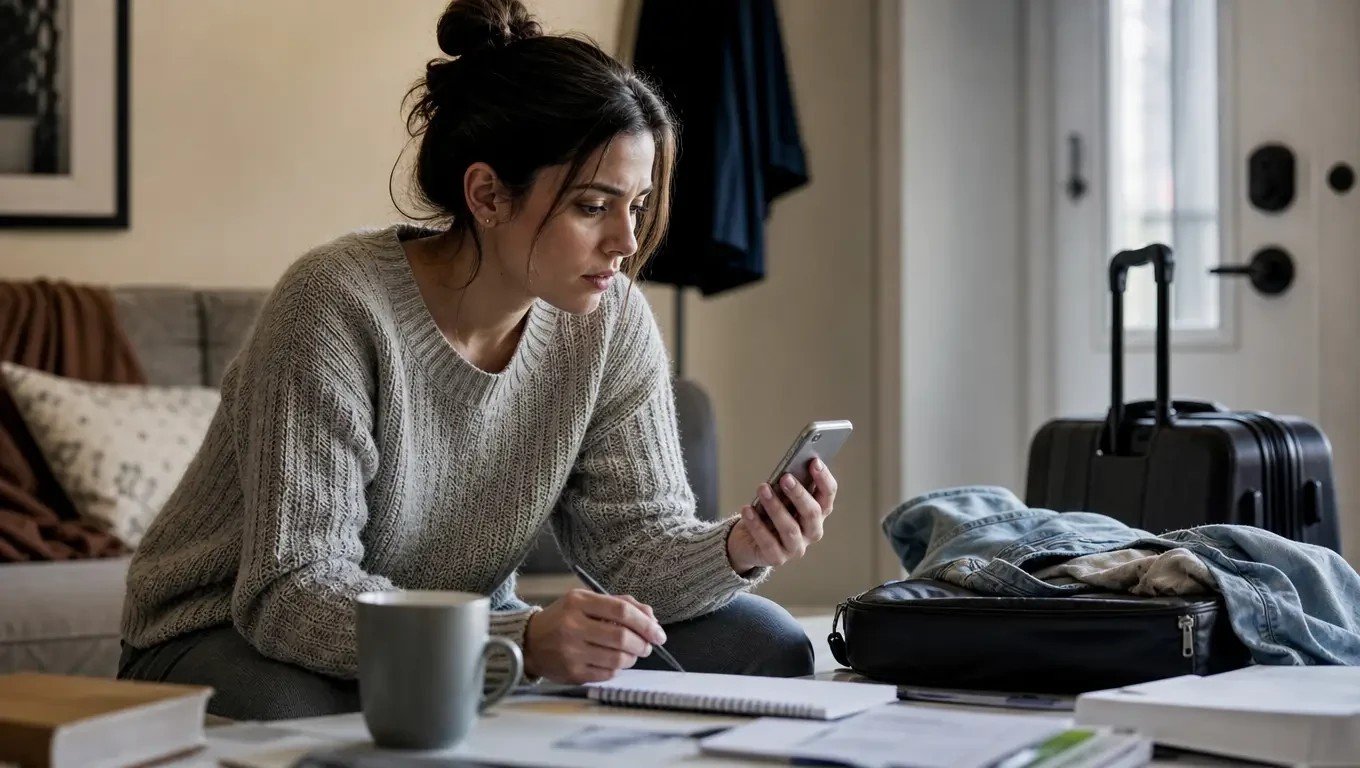
Leaving an abusive relationship can be one of the most vulnerable times in a person’s life. Separation may bring relief, but it can also bring new risks, emotional pressure, and practical challenges. Safety planning after separation is not about living in fear. It is about making thoughtful choices that help protect your privacy, your routines, your children if you have them, and your peace of mind.
A safety plan does not have to be perfect to be useful. Small steps matter. Writing things down, asking for support, and preparing for common situations can make daily life feel more manageable. If you are in immediate danger, call emergency services right away. If it is safe to do so, reach out to a trusted local domestic violence program or specialist support service for personalized guidance.
Why safety planning after separation matters
Many people hope that once the relationship ends, the danger ends too. Sometimes that happens, but not always. An abusive former partner may try to regain control through repeated contact, unwanted visits, pressure involving children, monitoring, intimidation, or manipulation through money, housing, or shared belongings.
That is why safety planning after separation often includes both emotional and practical preparation. You may be dealing with grief, confusion, guilt, or exhaustion while also trying to change passwords, adjust routines, and decide who needs to know what. It is a lot to carry.
A plan can help you reduce exposure to risk and respond more calmly if something happens. It can also help trusted people support you in concrete ways instead of guessing what you need.
Build a practical plan for daily life
Your plan should fit your real life. Focus on the places, times, and situations where contact is most likely. Think about home, work, school drop-off, transportation, errands, faith communities, and online spaces.
Consider these practical areas
- Home safety: If possible, change locks, secure windows, check outdoor lighting, and ask the landlord or property manager what security steps are available. Keep your phone charged and nearby.
- Daily routines: Change predictable habits when you can. Consider varying routes, shopping times, or pickup locations so your schedule is less easy to track.
- Workplace safety: Tell a supervisor, HR contact, receptionist, or security staff if you feel safe doing so. Share a photo if appropriate and ask about screening calls, parking escorts, or a workplace safety plan.
- Children’s routines: Make sure schools, childcare providers, and trusted caregivers know who is authorized for pickup. Ask about check-in procedures and what staff should do if there is a concern.
- Transportation: Park in well-lit areas, look around before getting in your car, and keep rideshare details or public transit plans private when possible.
- Important items: Keep identification, medications, keys, cash, essential documents, and emergency contacts in a place you can access quickly.
It may also help to create a simple response plan for unexpected contact. Decide in advance what you will do if your ex shows up at your home, workplace, child’s school event, or another familiar place. You do not need to figure everything out in the moment.
Protect your privacy and digital safety
After separation, technology can become a major safety concern. Phones, shared accounts, location settings, and social media can reveal more than people realize. If you suspect your devices or accounts are being monitored, a local domestic violence program or tech safety resource may help you think through safer options.
Digital safety steps to review
- Change passwords for email, banking, phone accounts, and social media. Use strong, unique passwords and enable two-factor authentication where possible.
- Check account recovery options to make sure password resets do not go to an old email address or phone number your ex can access.
- Review location sharing on your phone, apps, photos, and smart devices. Turn off sharing that is not necessary.
- Limit social media posting about your location, daily plans, travel, or children’s schedules. Ask trusted friends not to tag you or share your whereabouts.
- Consider a new email address for sensitive communication with schools, advocates, employers, or service providers.
- Check shared devices and accounts like family plans, cloud storage, smart home apps, and vehicle apps that may still allow access to your information.
If making changes on your current device does not feel safe, try using a library computer, a trusted friend’s device, or support from a local advocate. Your safety matters more than speed.
Create a support circle you can actually use
Support is most helpful when it is specific. Instead of telling people everything at once, you can choose a few trusted individuals and let them know exactly how they can help. This might include family, friends, neighbors, coworkers, faith leaders, or a local advocate.
You might ask someone to:
- Be your emergency contact
- Walk with you to your car or bus stop
- Keep copies of important numbers or documents
- Use a code word with you if you need urgent help
- Screen unexpected calls or visitors
- Check in with you at certain times
- Be present during exchanges of belongings if safe and appropriate
It can also help to keep a written list of local resources, including a domestic violence hotline, shelter or advocacy program, emergency contacts, your child’s school, your workplace contact, and medical providers. Store that list in more than one place if possible.
If your former partner continues to contact or intimidate you, document what is happening in a way that feels safe. Save voicemails, screenshots, dates, times, and descriptions of incidents. Local advocates can often help you think through what information may be useful to keep and how to store it safely. For legal questions, speak with a qualified attorney or local legal aid in your area.
Make room for emotional stability and your next steps
Safety planning is not only about worst-case scenarios. It is also about helping yourself stay grounded enough to make decisions. After separation, stress can affect sleep, concentration, appetite, and your sense of confidence. Gentle routines can support your clarity.
A simple next-steps list
- Write down your top three current safety concerns.
- Choose two practical changes you can make this week.
- Tell one trusted person what kind of help you need most.
- Review your phone, passwords, and location settings.
- Save local specialist support numbers in a safe way.
If journaling or prayer is part of your life, a brief daily check-in may help you notice what feels safer and what still needs attention. Try asking yourself: What situations make me feel most exposed right now? What support would make today easier?
For readers who want a personal story alongside practical reflection, Emily Amanda Turner’s memoir Where Is True Love? shares a survivor’s journey through harmful relationship patterns, separation, faith, and rebuilding peace.
Safety planning after separation is deeply personal. You do not need to solve everything today. One clear step, one protected boundary, and one trusted support person can make a meaningful difference. If you feel at risk, contact trusted local specialist support or emergency services as needed.
Frequently Asked Questions
What is a safety plan after separation?
A safety plan after separation is a practical plan for reducing risk and preparing for situations where an abusive former partner may try to make contact or regain control. It can include home safety, digital privacy, child-related routines, workplace planning, emergency contacts, and local support resources.
Who should I tell about my safety concerns?
If it feels safe, tell a small number of trusted people who can help in specific ways. This may include a friend, family member, employer contact, school staff member, neighbor, faith leader, or local domestic violence advocate. Share only what you need to share to get practical support.
How can I improve digital safety after leaving?
Start by changing passwords, reviewing account recovery settings, turning off location sharing, limiting social media posts about your routine, and checking shared accounts or devices. If you think your phone or accounts may be monitored, seek help from a local domestic violence program or a safe device before making changes.
What if I am afraid my ex will show up unexpectedly?
Think through a response ahead of time. Decide who to call, where to go, and what trusted people should do if this happens at home, work, or during errands. Keep your phone charged, let key people know your concerns, and contact emergency services if you are in immediate danger.
This article is for reflection and general education. It is not therapy, medical, legal, or emergency advice. If you feel unsafe, contact local emergency services or a trusted specialist-support resource.